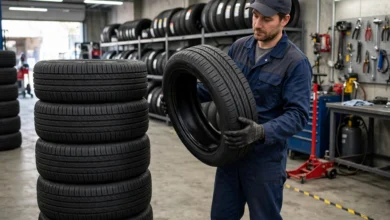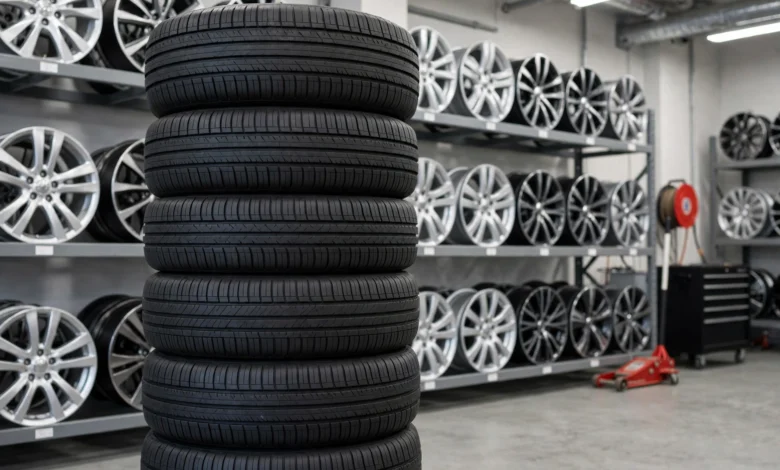
Discount Tire Near Me: How to Find Cheap Tyres Without Cutting Corners
A discount tire near me is not just the cheapest tyre you can find, it is a good tyre at a fair price from a local shop you can trust, and knowing the difference is what keeps you safe on the road. Tyres are the only part of your car that touches the road, and they are not the place to save money by buying something worn out or damaged, but there are real savings to be found if you know where to look, when to buy, and what to check before you pay. This guide explains how to find a discount tire near me, what a fair price looks like, how to tell a bargain from a risk, and when a cheap tyre is a smart buy rather than a false economy.

Whether you need one replacement tyre or a full set of four, the process is the same, and it starts with knowing your tyre size, comparing prices from a few local shops, and checking the age and condition of anything you are offered. This guide also explains how to check a tyre’s age and condition, when the best deals appear, and what fitting and balancing should cost, so you can judge every offer on its merits. A discount tire near me from a reputable dealer, fitted and balanced properly, can save you a significant amount without compromising safety, and this guide will show you how to get that deal.
What Does Discount Tire Near Me Actually Mean?
A discount tire near me means a tyre sold at a reduced price by a local shop, and the discount can come from several different places, which is worth understanding before you buy. Some shops offer genuine discounts on new tyres from well-known brands, either because they buy in bulk, because they are clearing last year’s stock, or because they are running a seasonal promotion. Others sell budget-brand tyres that are new and legal but made to a lower price point, and some sell part-worn tyres, which are used tyres that still have legal tread depth and have been inspected before sale.
The phrase itself is also a search term, and it is the one most drivers type when they need tyres quickly and do not want to pay dealer prices. A discount tire near me from a proper tyre shop is a legitimate way to save money, but the word discount on its own tells you nothing about quality, and a tyre that is cheap because it is old, damaged or the wrong size is not a bargain at all. The rest of this guide explains how to sort the genuine deals from the ones that could cost you far more than you saved.
How to Find a Discount Tire Near Me
Finding a discount tire near me starts with a quick search and a few phone calls, because tyre prices vary widely between shops, and the cheapest price online is not always the cheapest price once fitting is included. Start by searching for tyre shops in your area and checking their reviews, looking for the same details mentioned again and again, such as fair prices, honest advice, and work that is done properly the first time. A shop with hundreds of reviews that mention good prices and good service is usually a safer bet than one with a handful of perfect scores and no detail.
Once you have a shortlist, call two or three shops and ask for a price on your exact tyre size, including fitting, balancing, valve replacement and disposal of the old tyre, because some shops advertise a low tyre price and then add the extras on top. Ask what brands they have in stock, how old the tyres are, and whether the price includes a warranty, and compare the total cost rather than the headline figure. A discount tyre from a shop that includes everything in one clear price is usually better value than a cheaper tyre from a shop that charges separately for every step, and the phone call also tells you how the shop treats its customers before you have spent any money.
How Much Should Discount Tyres Cost?
The cost of a discount tyres nearby depends on the size of your tyre, the brand, and where you live, but there are useful ranges to keep in mind before you pay. A budget new tyre for a small hatchback usually costs between fifty and ninety pounds, or sixty and one hundred dollars, fitted, while a mid-range tyre for a family car usually falls between ninety and one hundred and fifty, and a premium tyre for a larger car or SUV can cost one hundred and fifty to two hundred and fifty or more. Prices are higher for larger wheel sizes, run-flat tyres, and performance tyres, and lower for smaller cars with standard sizes.
A discount should bring the price down by ten to thirty percent from the usual retail price, and anything cheaper than that deserves a careful look, because a tyre that is half the normal price is usually cheap for a reason. The age of the tyre matters as much as the price, because rubber degrades over time even if the tyre has never been used, and a new tyre that has sat in a warehouse for five years is not the bargain it appears to be. Cheap tyres in your area are good value when the tyre is new, recently made, the right size, and fitted properly, and it is a false economy when any of those things is missing.
New vs Part-Worn Tyres: Is the Saving Worth It?
Part-worn tyres are used tyres that have been removed from another vehicle, inspected, and sold on, and they are the cheapest way to put rubber on your car, but they come with real risks that are worth understanding before you buy. A part-worn tyre usually costs about half the price of a new budget tyre, which is a tempting saving, but you do not know how the tyre was used, whether it has been damaged, or how much life it really has left, and the inspection it receives before sale is often brief. In the UK, part-worn tyres must by law have at least 2 millimetres of tread, be marked as part-worn, and pass a basic inspection, but the rules are not always enforced, and some sellers cut corners.
A new budget tyre is usually the safer choice, because it comes with a full tread depth of around 8 millimetres, a manufacturer’s warranty, and a known age, and the price difference is often smaller than people expect once fitting is included. A local tyre deal that is a new budget tyre from a recognised brand is almost always better value than a part-worn premium tyre, because the new tyre will last longer, perform better in the wet, and give you the peace of mind that comes from knowing its history. Part-worn tyres make sense only as a short-term emergency fix, and even then they should be bought from a reputable dealer who will show you the tyre’s age and condition before you pay.
How to Tell If a Discount Tyre Is Safe
Telling whether a discount tyre is safe takes only a few minutes, and it is the most important check in this whole guide, because a tyre that looks fine can still be dangerous. Start with the age, which is stamped on the sidewall as a four-digit code, where the first two digits are the week and the last two are the year, so a code of 2324 means the tyre was made in the twenty-third week of 2024. A tyre older than six years should be inspected carefully, and one older than ten years should not be used at all, even if the tread looks deep, because the rubber hardens and cracks with age.
Next, check the tread depth, which must be at least 1.6 millimetres by law in the UK and 2/32 of an inch in the US, although most safety experts recommend replacing tyres at 3 millimetres because wet grip falls away sharply below that. Look for cracks in the sidewall, bulges, cuts, or repairs that look rough, and check that the tyre is the right size for your car, which is printed on the sidewall and listed in your owner’s manual or on the door jamb sticker. A discounted tyres nearby is safe when it is the right size, recently made, free of damage, and fitted by someone who checks the wheel for cracks and balances it properly, and any shop that will not let you inspect the tyre before fitting is a shop to walk away from.
When Is the Best Time to Buy Discount Tyres?
The best time to buy discount tyres is when the shops are trying to clear stock, and that usually happens at predictable times of the year. Tyre shops often discount summer tyres in the autumn, when they are making room for winter stock, and winter tyres in the spring, when the cold season is over, and those seasonal clearances can save you twenty percent or more on a set of four. Holiday sales and end-of-month promotions are also worth watching, because many tyre chains run regular offers, and buying all four tyres at once usually earns a better price per tyre than buying them one at a time.
There is also a practical side to timing, because buying tyres before you need them is almost always cheaper than buying in an emergency. A good tyre deal bought on a quiet weekday, when you have time to compare prices and check the tyres properly, will almost always be a better deal than one bought on a Saturday afternoon because you have a flat and no choice. Keep an eye on your tread depth, plan ahead when it drops below 3 millimetres, and buy when the shops are quiet and the deals are on, rather than when you are stranded and in a hurry.
Fitting, Balancing and Alignment: What Is Included?
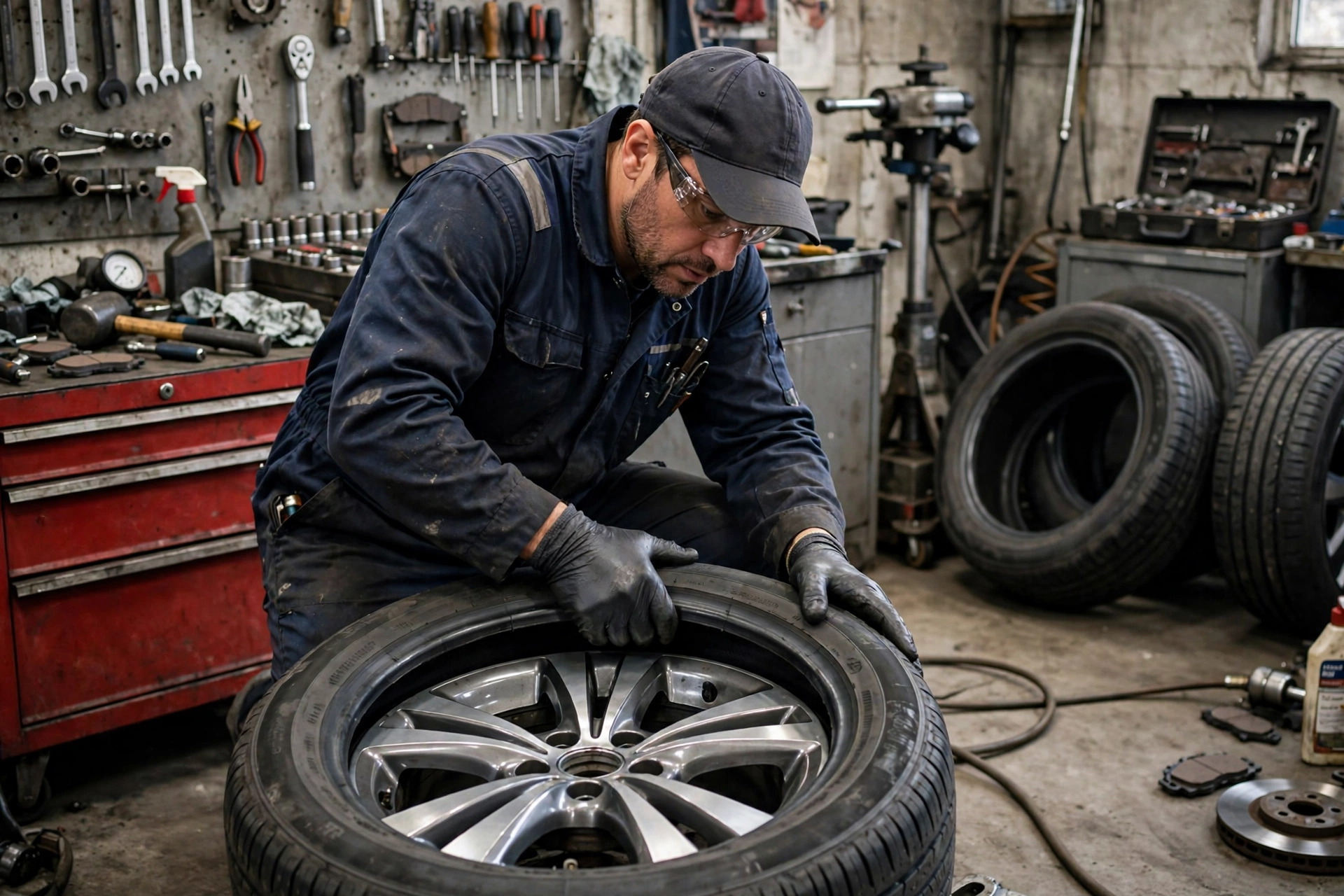
Fitting, balancing and alignment are the three jobs that turn a new tyre into a safe, smooth ride, and it is important to know what is included in the price you are quoted. Fitting means taking the old tyre off the wheel and putting the new one on, including a new valve, and it should always be included in the price of a affordable tyres near you. Balancing means adding small weights to the wheel so that it spins smoothly without vibration, and it is essential for comfort and for even tyre wear, so make sure it is included rather than charged as an extra.
Alignment, also known as tracking, is a separate job that adjusts the angles of the wheels so that they point straight ahead, and it is not always included in a tyre fitting price, but it is worth paying for if your old tyres wore unevenly or your car pulls to one side. A proper tyre shop will check the alignment and tell you honestly whether it needs adjusting, and the cost is usually modest compared with the price of a set of tyres that wears out early because the wheels were out of line. Ask for an itemised quote before the work starts, so that you know exactly what you are paying for and there are no surprises when you collect the car.
Tyre Brands: Budget vs Mid-Range vs Premium
Tyre brands fall into three broad groups, and understanding the difference helps you decide where your money is best spent. Premium brands such as Michelin, Continental, Pirelli and Bridgestone are the most expensive, but they also offer the best wet grip, the longest life, and the quietest ride, and they are the brands that car makers fit as original equipment. Mid-range brands such as Hankook, Falken, Toyo and Kumho offer most of the performance of a premium tyre at a significantly lower price, and they are often the best value for everyday driving.
Budget brands are the cheapest new tyres you can buy, and they are made to a price, which means they usually wear faster, grip less well in the wet, and are noisier than mid-range or premium tyres, although they are still legal and safe if they are new and correctly fitted. A cheap tyre deal from a mid-range brand is often the smartest buy, because it gives you most of the safety and longevity of a premium tyre for much less money, while a budget tyre makes sense only if you drive very little or you are selling the car soon. Whatever brand you choose, buy the best tyre you can afford, because the difference in braking distance between a good tyre and a poor one can be several metres in the wet, and those metres can matter.
Conclusion
A budget tyres nearby is a smart buy when you know what you are looking for, and the rules are simple, which are to know your tyre size, compare the total price including fitting, check the age and condition of the tyre, and buy from a shop you trust. New tyres from a mid-range brand usually offer the best value, part-worn tyres are best avoided except as a short-term fix, and the best time to buy is before you need them, when the shops are quiet and the deals are on. Your tyres are the only part of your car that touches the road, so spend your money wisely, check what you are buying, and never let a low price talk you into a tyre you would not trust with your family in the car.
Are discount tyres safe?
Discount tyres are safe if they are new, recently made, the right size for your car, and free of damage, and if they are fitted and balanced properly by a reputable shop. A discount tyre is unsafe when it is old, damaged, the wrong size, or a part-worn tyre with an unknown history, because rubber degrades with age and a used tyre may have hidden damage. Always check the age code on the sidewall, measure the tread depth, and inspect the tyre before it is fitted, and buy from a shop that will let you do so.
How long do discount tyres last?
How long a discount tyre lasts depends on the brand, how you drive, and how well you look after it, but a new budget tyre will usually last between twenty thousand and thirty thousand miles, while a mid-range or premium tyre will often last thirty thousand to fifty thousand miles. A part-worn tyre will last much less, because it starts with less tread, and its remaining life is hard to predict. Regular pressure checks, proper alignment, and gentle driving all extend tyre life, while under-inflation, hard cornering and kerb damage shorten it.
Can I buy tyres online and fit them locally?
You can buy tyres online and have them fitted locally, and it is often cheaper than buying from a shop, because online retailers have lower overheads and a wider range of stock. Most online tyre sellers will deliver to a local fitting centre, where the tyres are fitted and balanced for a fee, and the total cost is often lower than buying the same tyre from a high street shop. Check the total price including delivery and fitting before you order, and make sure the tyres are the right size and recently made, because online sellers are not always clear about the age of the tyres they supply.
Do discount tyre shops offer warranties?
Most discount tyre shops offer warranties, although the terms vary, and it is worth asking what is covered before you buy. A new tyre usually comes with a manufacturer’s warranty against defects in materials and workmanship, which typically lasts for several years, and many shops also offer a warranty on their fitting work, which covers problems such as a wheel that was not balanced properly. Part-worn tyres usually come with little or no warranty, which is another reason to prefer new tyres, and any shop that refuses to offer any warranty at all is a shop to avoid.
How do I know what size tyre I need?
You can find out what size tyre you need from the sidewall of your current tyre, where the size is printed as a series of numbers and letters, such as 205/55 R16, or from the sticker on the driver’s door jamb or the fuel filler cap, or from your car’s owner’s manual. The numbers tell you the width, the profile, and the wheel diameter, and you should buy tyres that match those numbers exactly, unless your car’s manufacturer approves an alternative size. If you are unsure, ask a tyre shop to check for you, because fitting the wrong size tyre is dangerous and can invalidate your insurance.
Source: Tire Rack — Tyre buying guide