Waterloo City Farm: Community Urban Farm and Education Project in London (Feilden Fowles’ Vision for Sustainable Urban Learning)

Waterloo City Farm is a remarkable example of how urban land can be transformed into a meaningful space for education, sustainability, and community development. Located in the heart of London near Waterloo Station, the project turns a once-neglected site into a productive green environment. The initiative demonstrates how modern cities can integrate agriculture into dense urban settings while still serving educational and social purposes effectively.


Waterloo City Farm has become an important symbol of environmental awareness and community engagement in London. It is not just a place for growing plants but also a living classroom where people of all ages can learn about food systems, biodiversity, and sustainability. By combining farming with education, Waterloo City Farm helps reconnect urban communities with nature in a practical and inspiring way.
History and Development of Waterloo City Farm
Waterloo City Farm began its journey in 2014 when a previously unused piece of land was transformed into a community-led farming space. The site is owned by Guy’s and St Thomas’ NHS Foundation Trust, which supported its development as part of a wider vision for public wellbeing. This transformation highlights how underutilised urban land can be reimagined for long-term social benefit.
Over the years, Waterloo City Farm has grown from a simple green initiative into a structured and well-organised urban farm. It now supports educational workshops, volunteering opportunities, and community farming activities. The development of Waterloo City Farm reflects a growing recognition of the importance of green spaces in improving mental health, social connection, and environmental awareness in urban areas.
Feilden Fowles Architectural Approach
The architectural identity of Waterloo City Farm was shaped by Feilden Fowles, a practice known for its thoughtful and sustainable design philosophy. Their approach focuses on creating spaces that are functional, environmentally responsible, and deeply connected to their users. In Waterloo City Farm, this vision is clearly expressed through simple yet powerful architectural forms.
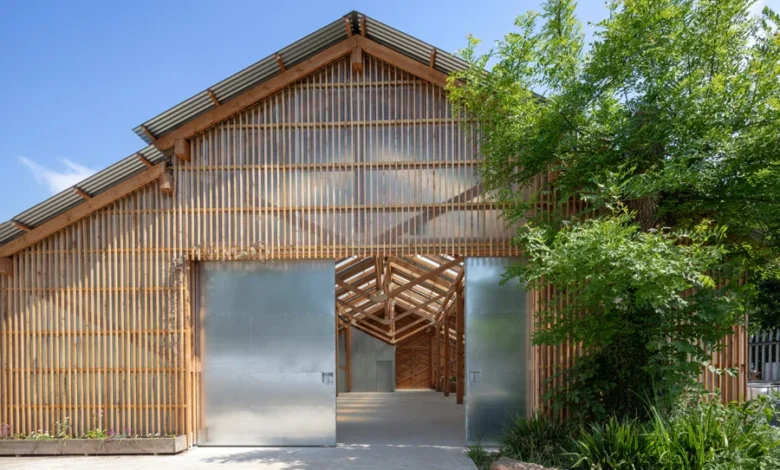
Feilden Fowles designed Waterloo City Farm with a strong emphasis on natural materials and community use. The structures, particularly the timber-framed education barn, are designed to blend seamlessly with the farming environment. This careful balance between architecture and landscape ensures that Waterloo City Farm serves both practical and educational purposes without overwhelming its natural setting.
Design Features of Waterloo City Farm
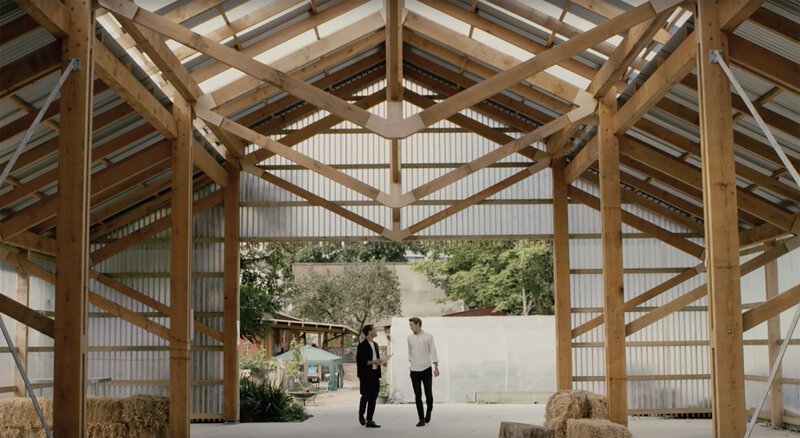
One of the most defining features of Waterloo City Farm is its timber education barn, which acts as the central hub for learning and community activities. This structure provides a flexible space for workshops, teaching sessions, and events. Its sustainable design reflects the broader environmental goals of the project, making it both functional and environmentally conscious.
The layout of Waterloo City Farm has been carefully designed to maximise limited urban space. Different zones for farming, learning, and social interaction are interconnected, creating a seamless experience for visitors. Every element of Waterloo City Farm’s design reflects a commitment to sustainability, accessibility, and community engagement, making it a model for urban agricultural spaces.
Community Engagement and Educational Value
Waterloo City Farm plays a vital role in community engagement by offering educational programmes for schools, families, and local organisations. These programmes introduce participants to farming practices, environmental science, and sustainable living. The hands-on nature of the activities ensures that learning is practical, memorable, and accessible to people of all ages.
In addition to education, Waterloo City Farm also supports social and therapeutic initiatives. Volunteers and participants often find the environment calming and restorative, helping to improve mental wellbeing. By combining education with wellbeing, Waterloo City Farm creates a unique space that strengthens community ties while promoting healthier lifestyles in an urban setting.
Urban Farming and Sustainability at Waterloo City Farm
Waterloo City Farm is an important contributor to urban sustainability in London. It promotes local food production, composting, and ecological awareness, encouraging visitors to think about where their food comes from and how it is produced. These practices help build a stronger connection between urban populations and sustainable food systems.
Sustainability is at the core of Waterloo City Farm’s mission. The project demonstrates how small-scale urban agriculture can have a significant environmental impact. By improving biodiversity and reducing urban waste, Waterloo City Farm serves as a practical example of how cities can become greener and more self-sufficient through innovative land use.
Waterloo City Farm and Urban Regeneration
Waterloo City Farm is widely recognised as a successful model of urban regeneration. It has transformed an overlooked and unused site into a vibrant community resource. This transformation highlights the potential of urban land to deliver social, environmental, and educational benefits when managed thoughtfully and collaboratively.
The success of Waterloo City Farm also demonstrates the importance of partnerships between architects, public institutions, and local communities. It shows how shared vision and cooperation can lead to long-lasting positive change. As urban populations continue to grow, Waterloo City Farm provides a valuable blueprint for future regeneration projects across cities.
The Role of Feilden Fowles in Waterloo City Farm
The involvement of Feilden Fowles has been central to the identity and success of Waterloo City Farm. Their architectural approach ensures that the site remains both functional and inspiring. By focusing on sustainability and simplicity, they have created a space that supports learning, farming, and community interaction in equal measure.
Feilden Fowles’ contribution to Waterloo City Farm goes beyond architecture; it represents a philosophy of design that prioritises people and the environment. Their work ensures that Waterloo City Farm is not just a physical space but also a long-term educational and cultural asset for the city of London.
Future of Waterloo City Farm
The future of Waterloo City Farm lies in continued community engagement and educational expansion. As awareness of sustainability grows, the demand for urban farming initiatives like this is expected to increase. Waterloo City Farm is well positioned to play an even greater role in shaping environmental education in London.
Looking ahead, Waterloo City Farm has the potential to inspire similar projects in other urban areas. Its success demonstrates that even small pieces of land can be transformed into powerful tools for education and sustainability. With continued support, Waterloo City Farm will remain a key example of innovative urban development.
Conclusion
Waterloo City Farm stands as a powerful example of how cities can integrate nature, education, and community into a single cohesive space. It transforms unused urban land into a productive and meaningful environment that benefits both people and the planet. Its impact extends beyond farming, influencing education, wellbeing, and sustainability in London.
Through the vision of Feilden Fowles and the dedication of community partners, Waterloo City Farm has become a landmark project in urban regeneration. It shows that sustainable design and community involvement can create lasting change. As a result, Waterloo City Farm continues to inspire new approaches to how cities can grow and evolve responsibly.