Service Tire Monitor System: Complete Guide to TPMS Maintenance, Repairs, and Safety

Understanding the Service Tire Monitor System and How It Works
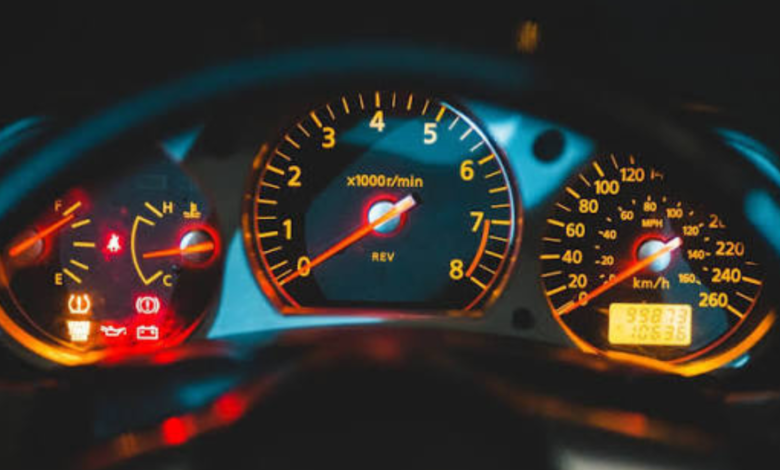
A service tire monitor system is an advanced vehicle safety feature designed to monitor tire pressure and alert drivers when tire conditions become unsafe. Modern vehicles use a Tire Pressure Monitoring System (TPMS) to continuously check the air pressure inside each tire and notify the driver through a dashboard warning light if there is a problem. Maintaining the service tire monitor system is essential because properly inflated tires improve vehicle stability, fuel efficiency, and overall road safety. When the system detects abnormal tire pressure, it provides an early warning that allows drivers to take action before serious tire damage occurs.


The main purpose of a service tire monitor system is to prevent problems caused by underinflated or overinflated tires. Low tire pressure can increase fuel consumption, reduce tire lifespan, and negatively affect vehicle handling. A properly working TPMS helps drivers maintain the correct tire pressure recommended by the vehicle manufacturer. The system uses advanced sensors and electronic components to measure tire conditions and communicate information to the vehicle’s computer. When a sensor detects a pressure issue, the system activates a warning signal on the dashboard, reminding the driver that inspection or repair may be necessary.
There are two major types of tire monitoring systems used in vehicles: direct TPMS and indirect TPMS. A direct service tire monitor system uses individual sensors installed inside each tire to measure actual air pressure and temperature. These sensors send real-time information to the vehicle control module. An indirect TPMS does not use pressure sensors inside the tires; instead, it uses the vehicle’s anti-lock braking system and wheel speed sensors to estimate pressure changes. Both systems help improve driving safety, but direct TPMS generally provides more accurate tire pressure information.
Regular inspection of the service tire monitor system ensures that all components are working correctly. TPMS sensors contain batteries that eventually lose power, and damaged sensors may provide inaccurate readings. Professional technicians use specialized diagnostic tools to check sensor communication, identify errors, and reset the system when needed. A well-maintained tire monitor system gives drivers confidence by ensuring that tire-related issues are detected quickly and efficiently.
Importance of Regular Service Tire Monitor System Maintenance
Regular maintenance of a service tire monitor system plays a major role in vehicle safety and performance. Many drivers ignore TPMS warnings or assume they are minor issues, but a malfunctioning tire monitoring system can prevent important safety alerts from reaching the driver. Proper servicing ensures that sensors, control modules, and warning indicators function correctly. By keeping the tire monitor system in excellent condition, vehicle owners can reduce the risk of unexpected tire problems while driving.
One of the biggest benefits of maintaining a service tire monitor system is improved fuel efficiency. Tires that do not have the correct air pressure create additional resistance between the tire and the road surface. This forces the engine to work harder, which can increase fuel consumption. A properly calibrated TPMS helps drivers maintain ideal tire pressure, allowing the vehicle to operate more efficiently. Regular tire pressure checks combined with professional tire monitor system service can save money on fuel and reduce unnecessary tire wear.
A properly functioning service tire monitor system also helps extend tire life. When tires operate with incorrect pressure, they wear unevenly and may need replacement sooner than expected. Overinflated tires can reduce road grip, while underinflated tires can create excessive heat buildup. By receiving accurate tire pressure alerts, drivers can correct problems quickly and prevent premature tire damage. This makes TPMS maintenance an important part of responsible vehicle ownership.
Professional service tire monitor system inspections are especially important after tire replacement, wheel changes, or major tire repairs. During these services, sensors may need to be recalibrated or reprogrammed to communicate correctly with the vehicle computer. Ignoring this step can cause incorrect pressure readings or continuous warning lights. Regular TPMS maintenance helps ensure accurate information, better driving control, and increased protection for everyone inside the vehicle.
Common Service Tire Monitor System Problems and Warning Signs
A service tire monitor system can experience different problems over time due to sensor damage, battery failure, or electronic communication issues. One of the most common signs of a TPMS problem is a warning light that remains illuminated on the dashboard. While this light may sometimes indicate low tire pressure, it can also signal a damaged sensor or system malfunction. Drivers should never ignore this warning because it may prevent the system from detecting dangerous tire conditions.
Another common issue with a service tire monitor system is inaccurate pressure readings. A driver may check the tires manually and find that the pressure is correct, but the dashboard still shows an incorrect warning. This situation often occurs because of a faulty TPMS sensor, damaged wiring, or communication problems between the sensor and vehicle computer. Professional diagnosis is necessary to determine the exact cause and restore accurate monitoring.
Dead sensor batteries are another frequent reason for service tire monitor system problems. Most TPMS sensors contain small internal batteries designed to last several years. Once the battery loses power, the sensor can no longer transmit pressure information. In many cases, replacing the sensor is the best solution because the battery is usually built into the sensor unit. Regular inspection helps identify weak sensors before they completely fail.
Temperature changes can also affect tire monitor system performance. Cold weather can naturally reduce tire pressure, causing the TPMS warning light to activate. Extreme heat may also influence pressure readings. Although seasonal pressure changes are normal, repeated warnings should be checked by a professional. Understanding these common service tire monitor system issues allows drivers to respond quickly and avoid unnecessary safety risks.
How Professionals Diagnose and Repair a Service Tire Monitor System
Professional diagnosis is an important step when dealing with a service tire monitor system problem. Mechanics use specialized TPMS scanning tools to communicate with tire sensors and identify faults. These tools can show sensor battery levels, pressure readings, signal strength, and error codes. Accurate diagnosis prevents unnecessary repairs and ensures that the correct component is repaired or replaced.
During a service tire monitor system inspection, technicians usually check each tire sensor individually. They examine whether sensors are transmitting accurate information and whether the vehicle computer is receiving proper signals. If a sensor fails the inspection, replacement may be required. After installing a new sensor, technicians must program and calibrate it so that it works correctly with the vehicle’s electronic system.
Resetting the tire monitor system is another important part of TPMS repair. After changing tires, replacing sensors, or correcting pressure issues, the system may need to be reset to remove old warning signals. Different vehicle manufacturers have different reset procedures, and professional technicians use manufacturer-approved methods to ensure accuracy.
Choosing professional service for a tire monitor system repair helps avoid mistakes that can affect vehicle safety. Incorrect sensor installation or programming can lead to false warnings and inaccurate pressure information. Skilled technicians have the necessary equipment and experience to restore the system properly and keep the vehicle operating safely.
Service Tire Monitor System Sensor Replacement and Reset Process
TPMS sensors are essential parts of every service tire monitor system, but they do not last forever. Over time, sensor batteries become weak, and physical damage can affect performance. When a sensor stops working, replacing it is usually the most effective repair option. Vehicle owners should consider professional sensor replacement to ensure proper installation and programming.
The replacement process involves removing the old sensor, installing a compatible new unit, and connecting it with the vehicle’s monitoring system. After replacement, the new sensor must be programmed so the vehicle recognizes it. Without proper programming, the service tire monitor system may continue displaying warning messages or fail to provide accurate readings.
A TPMS reset is often required after tire-related services. Many vehicles automatically relearn new sensors after driving a certain distance, while others require manual reset procedures. Professional technicians understand these differences and can complete the process correctly. Proper resetting ensures that the vehicle receives accurate information from all tire sensors.
Maintaining sensors through regular inspections can help avoid sudden failures. Checking tire pressure regularly, avoiding damaged wheels, and using professional tire services can increase sensor reliability. A healthy service tire monitor system provides continuous protection and helps drivers maintain better control of their vehicles.
Benefits of Keeping Your Service Tire Monitor System in Good Condition
A properly maintained service tire monitor system provides numerous benefits for vehicle owners. The most important advantage is improved safety because drivers receive immediate alerts when tire pressure becomes unsafe. Early detection allows problems to be corrected before they become serious, reducing the chances of tire-related accidents.
Another major benefit of a reliable tire monitor system is improved vehicle performance. Correct tire pressure improves handling, braking response, and overall driving comfort. Tires perform better when they are properly inflated, allowing vehicles to maintain better contact with the road. This is especially important during long-distance driving and challenging weather conditions.
A service tire monitor system also helps reduce maintenance expenses. By preventing incorrect tire pressure, the system reduces uneven tire wear and extends tire lifespan. Drivers can avoid replacing tires earlier than necessary and maintain better fuel economy. Over time, regular TPMS maintenance can provide significant financial benefits.
Modern vehicles depend heavily on electronic safety systems, and the service tire monitor system is one of the most valuable features available today. Keeping this system working correctly ensures that drivers receive accurate information about their tires at all times.
Conclusion
A service tire monitor system is an essential vehicle safety technology that helps drivers maintain proper tire pressure and improve overall driving performance. From monitoring tire conditions to providing early warnings, TPMS plays a vital role in preventing tire-related problems. Regular inspection, professional repairs, and proper sensor maintenance ensure that the system continues working effectively.
Ignoring service tire monitor system warnings can lead to reduced fuel efficiency, increased tire wear, and safety concerns. By taking care of the tire monitoring system, vehicle owners can enjoy safer journeys, better vehicle performance, and longer-lasting tires. Professional TPMS service is a valuable investment that supports reliable and efficient driving.
FAQs
What does a service tire monitor system mean?
It means the vehicle’s TPMS requires inspection, repair, reset, or maintenance.
Why is my service tire monitor system light on?
It may be caused by low tire pressure, faulty sensors, or system errors.
How often should a tire monitor system be checked?
It should be inspected during regular vehicle maintenance and tire services.
Can I drive with a service tire monitor system warning?
You should inspect the system as soon as possible to avoid safety issues.
How long do TPMS sensors last?
Most sensors typically last several years depending on usage and conditions.
How much does service tire monitor system repair cost?
Costs vary depending on the vehicle model, sensor type, and required repairs.
Can tire replacement affect the TPMS system?
Yes, improper tire installation can damage sensors or require system recalibration.
Is TPMS reset necessary after replacing sensors?
Yes, resetting helps the vehicle recognize new sensors correctly.
What causes TPMS sensors to fail?
Battery failure, physical damage, and electronic problems are common causes.
Why is a service tire monitor system important?
It improves safety, protects tires, and helps maintain better vehicle efficiency.
You May Also Read: cleaning services for schools