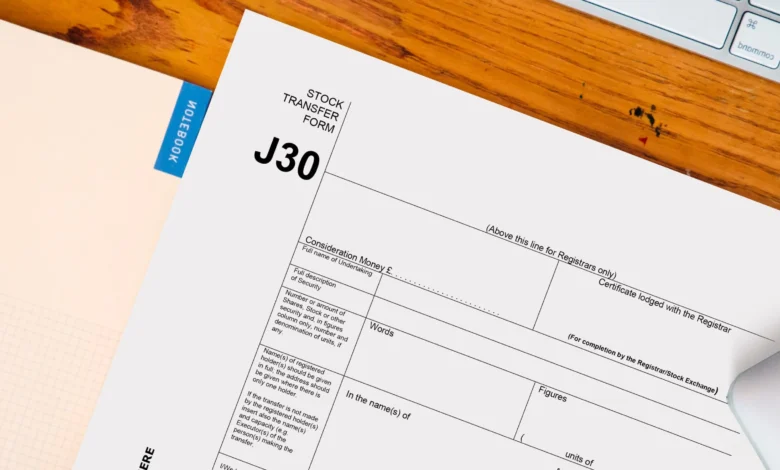
What Is a Stock Transfer Form J30
A stock transfer form J30 is a formal legal document used in the United Kingdom to record the transfer of fully paid shares from one individual or entity to another. It acts as written evidence of the transaction and includes essential details such as the names of both parties, the number of shares involved, and the value of the consideration. This document is widely used in private limited companies where share ownership frequently changes.

Understanding the purpose of a stock transfer form J30 is crucial for maintaining transparency and compliance within a company. It ensures that all share transfers are properly documented and legally recognised. Without this form, companies may face complications in updating their shareholder records, which can lead to disputes or regulatory issues in the future.
When Do You Need a Stock Transfer Form J30 in the UK
The stock transfer form J30 is required when fully paid shares are being transferred between parties in the UK. This could involve selling shares for monetary value or gifting them without consideration. In either case, the document provides a clear record of the transaction and helps protect the interests of both the buyer and the seller.
In many private companies, share transfers occur during business restructuring, ownership changes, or investment activities. The stock transfer form J30 becomes especially important when stamp duty may apply, as it provides the necessary details for tax assessment. Using the correct form ensures the process remains compliant with UK regulations.
Stock Transfer Form J30 PDF Download Free Resources
Many individuals and businesses search for a stock transfer form J30 pdf free download to simplify the process of share transfer. Reliable sources such as official government websites and reputable legal platforms often provide downloadable versions of the form. These resources help ensure that users are working with accurate and up-to-date documents.
When accessing a stock transfer form J30 download, it is essential to verify that the document meets UK legal standards. Some platforms also offer editable formats, including Word versions, which allow users to complete the form digitally. Choosing a trustworthy source reduces the risk of errors and ensures smooth processing of the transfer.
Key Sections of the Stock Transfer Form J30 Explained

The stock transfer form J30 consists of several key sections that must be completed carefully. These include the name of the company, details of the shares being transferred, and the consideration amount. Each section serves a specific purpose and contributes to the overall validity of the document.
In addition to transaction details, the form requires information about the transferor and transferee, including their names and addresses. Signatures are a critical component, as they confirm agreement between both parties. Completing each section accurately ensures that the stock transfer form J30 is legally enforceable and accepted by relevant authorities.
Step by Step Guide How to Complete a Stock Transfer Form J30
Completing a stock transfer form J30 involves a structured approach to ensure accuracy and compliance. The process begins with entering the company’s name and the number of shares being transferred. It is important to match these details with official company records to avoid discrepancies that could delay the transaction.
The next steps include adding the consideration amount, filling in the details of both parties, and signing the form. Each entry should be checked carefully before submission. A properly completed stock transfer form J30 helps prevent administrative issues and ensures that the transfer is processed efficiently.
HMRC Rules for Stock Transfer Form J30
HMRC has established specific guidelines for handling share transfers using a stock transfer form J30. One of the most important aspects is stamp duty, which may apply if the transaction value exceeds one thousand pounds. In such cases, the form must be submitted to HMRC for stamping before the transfer can be finalised.
Understanding HMRC requirements is essential to avoid penalties or delays. The stock transfer form J30 hmrc process ensures that all tax obligations are met and that the transaction is legally compliant. Proper adherence to these rules helps streamline the transfer and protects both parties involved.
Companies House and Stock Transfer Form J30
Although Companies House does not require the direct submission of a stock transfer form J30, it plays a significant role in maintaining accurate company records. After a share transfer is completed, the company must update its register of members to reflect the new ownership structure.
Following companies house stock transfer form j30 guidance is important for ensuring compliance with reporting obligations. While the form itself is retained internally, accurate record keeping supports transparency and helps the company meet its legal responsibilities in the UK.
Stock Transfer Form J30 Template and Formats
Using a stock transfer form J30 template can make the process more accessible, particularly for individuals unfamiliar with legal documentation. Templates are available in multiple formats, including PDF and Word, allowing users to select the most convenient option for their needs.
While templates are helpful, it is important to ensure they are accurate and compliant with UK standards. An incorrect or outdated stock transfer form J30 template could result in errors that complicate the transfer process. Choosing a reliable format helps ensure that all required information is included correctly.
Stock Transfer Form J30 vs J10 What Is the Difference
The stock transfer form J30 is specifically designed for transferring fully paid shares, while the J10 form is used for shares that are not fully paid. Understanding this distinction is essential when selecting the appropriate document for a transaction, as using the wrong form can lead to complications.
Both forms serve similar purposes but apply to different types of shares. The stock transfer form J30 is more commonly used in standard transactions, whereas the J10 form is reserved for specific situations involving unpaid shares. Knowing the difference ensures that the process remains smooth and legally compliant.
Common Mistakes to Avoid When Using Form J30
Errors in completing a stock transfer form J30 can lead to delays and potential legal issues. Common mistakes include incorrect share details, missing signatures, and failing to include the correct consideration amount. These issues can often be avoided by carefully reviewing the form before submission.
Another frequent mistake is overlooking stamp duty requirements. Ensuring that all obligations are met and that the stock transfer form J30 is completed accurately helps prevent unnecessary complications. Attention to detail is key to a successful share transfer.
What Happens After Completing the J30 Form
Once the stock transfer form J30 has been completed, the next steps depend on whether stamp duty applies. If required, the form must be sent to HMRC for stamping before the transfer can be finalised. This step is essential for ensuring compliance with tax regulations.
Afterwards, the company updates its internal records and issues new share certificates to the transferee. Proper handling of the stock transfer form J30 ensures that ownership changes are accurately recorded and legally recognised within the company structure.
Tips for a Smooth Share Transfer Process
Ensuring a smooth share transfer process requires careful preparation and attention to detail. Double checking all information on the stock transfer form J30 helps minimise errors and ensures compliance with legal requirements. Keeping accurate records also supports transparency and accountability.
Seeking professional advice from legal or financial experts can further simplify the process. A well-prepared stock transfer form J30 reduces the risk of complications and ensures that the transaction is completed efficiently and correctly.
Conclusion
The stock transfer form J30 is an essential document for transferring fully paid shares in the UK. It provides a clear and legally recognised record of ownership changes, ensuring that companies remain compliant with regulations and maintain accurate records.
By understanding how to complete and use the stock transfer form J30 effectively, individuals and businesses can avoid common mistakes and ensure a seamless transfer process. Proper knowledge and preparation are key to achieving a successful outcome.