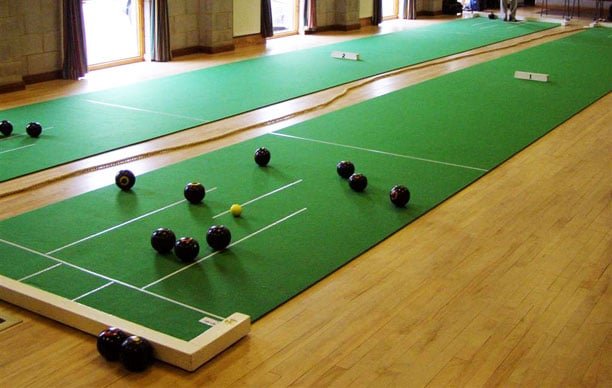
Short mat bowls rules provide the essential framework for understanding how this popular indoor sport is played across clubs in the UK. The game is designed to combine precision, strategy and controlled delivery on a compact playing surface. For beginners, learning short mat bowls rules is the first step towards enjoying structured gameplay and developing confidence on the mat.


The sport continues to grow because it is accessible, social and suitable for all ages. Players compete by delivering bowls towards a jack, aiming for accuracy and tactical advantage. Short mat bowls rules ensure fairness by defining delivery methods, scoring systems and equipment standards, making the game consistent across both casual and competitive environments.
Understanding the Basics of the Game
The foundation of short mat bowls lies in its simple but strategic objective: to place bowls closer to the jack than your opponent. Short mat bowls rules clearly define how teams take turns and how each end is played, ensuring structure throughout the match. This makes the game easy to learn but challenging to master.
Games can be played in different formats including singles, pairs, triples or fours. Each format follows the same core principles but adjusts the number of bowls per player. Short mat bowls rules help maintain consistency across all formats, allowing players to adapt easily while still following the same essential gameplay structure.
Equipment Used in Short Mat Bowls
Understanding equipment is vital when learning short mat bowls rules, as each item plays a specific role in gameplay. The mat itself is the main playing surface, usually around 40 to 45 feet long. Players also use biased bowls, a jack, a centre block and delivery mats, all of which influence how the game is played.
The centre block is particularly important because any bowl that makes contact with it becomes dead and is removed from play. This rule is a key part of short mat bowls rules, as it prevents direct straight shots and encourages angled, strategic play. The equipment together creates a unique and skill-based indoor sporting environment.
Core Gameplay and Delivery Rules
Short mat bowls rules clearly define how players must deliver their bowls to ensure fairness and consistency. One essential rule is that at least one foot must remain on the delivery mat during release. This helps maintain balance and ensures that all players deliver from the same controlled position.
Another important aspect of short mat bowls rules involves what happens when a bowl becomes dead. If a bowl leaves the boundary or touches the centre block, it is immediately removed from play. These regulations ensure the game remains structured and that players focus on accuracy and tactical positioning.
Scoring System Explained in Detail
Scoring in short mat bowls is based on which team has bowls closest to the jack after all deliveries in an end are completed. Short mat bowls rules state that only the closest bowls count, and additional points are awarded for every bowl nearer than the opponent’s best attempt. This creates a strategic scoring system.
A match consists of multiple ends, and the team with the highest total score wins. Each end resets the playing area, allowing new tactics to be applied. Short mat bowls rules ensure scoring remains fair and easy to understand, making the game enjoyable for both beginners and experienced players.
Fouls, Faults and Common Mistakes
Fouls and mistakes are an important part of learning the game, and short mat bowls rules clearly outline what is considered illegal play. Common faults include incorrect foot placement during delivery or failing to release the bowl within the designated mat area. These errors can result in penalties or loss of turn.
Another frequent mistake involves misjudging the bowl’s bias or failing to account for the centre block. When this happens, the bowl may become dead and removed from play. Short mat bowls rules are designed to minimise confusion and help players develop proper technique through consistent practice.
Differences Across UK and Club Variations
Although short mat bowls rules are widely standardised across the UK, minor variations can exist depending on local clubs and competitions. Organisations ensure that the core principles remain the same, but small adjustments may be made in scoring systems or match formats to suit different levels of play.
In England and Wales, governing bodies help maintain consistency across leagues, although some clubs may interpret certain rules slightly differently. Understanding these variations is important for players who compete in multiple regions, as short mat bowls rules may vary in detail while still maintaining the same overall structure.
Tips for Beginners to Improve Quickly
Beginners can improve rapidly by focusing on consistency and control rather than power. Practising regularly helps players understand bowl bias and improve accuracy. Applying short mat bowls rules during practice sessions ensures that new players build good habits from the start, which leads to better long-term performance.
Observing experienced players is also extremely beneficial. Watching how they deliver bowls, position themselves and plan shots provides valuable insight into strategy. By combining practice with a strong understanding of short mat bowls rules, beginners can quickly develop confidence and competitive skill.
Conclusion
Short mat bowls is a rewarding indoor sport that combines precision, patience and tactical thinking. Learning short mat bowls rules is essential for anyone who wants to enjoy the game fully and participate confidently in both friendly and competitive matches across the UK.
By understanding equipment, scoring systems and delivery techniques, players can build a strong foundation in the sport. Short mat bowls rules ensure fairness and structure, making the game accessible to all. With regular practice and attention to detail, anyone can improve and enjoy long-term success in this engaging indoor activity.