Frailty Index Score Calculator UK (eFI NHS) – Free Online Assessment Tool


The frailty index score calculator UK is an essential digital resource designed to support understanding of frailty assessment within British healthcare. As life expectancy continues to rise, more people are living with complex, long-term conditions that increase vulnerability to relatively minor health stressors. Identifying frailty early enables preventative strategies that can significantly improve quality of life and reduce avoidable hospital admissions.


Built around the principles of the NHS Electronic Frailty Index, the frailty index score calculator UK reflects a structured and evidence-based approach to measuring vulnerability. It translates clinical data into a clear numerical score, categorising individuals as fit, mildly frail, moderately frail, or severely frail. This clarity helps clinicians, carers, and informed patients understand risk levels and consider appropriate next steps in care planning.
Understanding Frailty in Modern UK Healthcare
Frailty is a medical syndrome characterised by reduced strength, endurance, and physiological function. It increases an individual’s susceptibility to sudden deterioration when faced with events such as infection, medication changes, or minor injury. In UK primary care, recognising frailty is now a core part of proactive healthcare for adults aged sixty-five and above.
Rather than viewing frailty as an inevitable consequence of ageing, clinicians treat it as a measurable and manageable condition. Early identification allows for medication optimisation, falls prevention strategies, nutritional support, and social care involvement. The use of structured scoring systems ensures that frailty is addressed consistently across practices, reducing variation in care and improving long-term health outcomes.
What Is the Electronic Frailty Index (eFI)?
The Electronic Frailty Index, often abbreviated to eFI, is a validated tool used widely across GP practices in England. It is embedded within electronic patient record systems and works automatically in the background. By analysing routinely coded health information, it calculates a frailty score based on the cumulative deficit model of ageing.
The cumulative deficit model measures frailty by counting a predefined list of health deficits. These include chronic diseases, symptoms, disabilities, and abnormal laboratory findings. The frailty index score calculator UK follows this same methodology, helping users understand how deficits combine to produce an overall risk score. This structured approach allows for population-level screening while still supporting personalised clinical decisions.
How the Frailty Index Score Is Calculated
The calculation process is straightforward but grounded in robust scientific theory. Thirty-six potential deficits are assessed within the standard eFI framework. Each deficit carries equal weight, reflecting the idea that frailty results from the accumulation of multiple small health problems rather than one single diagnosis.
To determine the score, the number of deficits present is divided by thirty-six, producing a figure between zero and one. For example, if a patient has nine recorded deficits, the score would be 0.25. A frailty index score calculator UK automates this process, ensuring speed and mathematical accuracy while demonstrating the logic behind the scoring system.
Interpreting Frailty Score Categories
Once calculated, the score falls into clearly defined categories that guide interpretation. A score from 0 to 0.12 indicates that an individual is considered fit. Scores between 0.13 and 0.24 suggest mild frailty, meaning there is some increased vulnerability but generally preserved independence.
Moderate frailty typically falls between 0.25 and 0.35 and signals a greater risk of adverse outcomes such as hospital admission or functional decline. Scores above 0.36 indicate severe frailty, often associated with significant dependence and complex health needs. The frailty index score calculator UK presents these categories clearly, but clinical context and professional judgement remain crucial when interpreting results.
Clinical Frailty Scale and eFI Differences
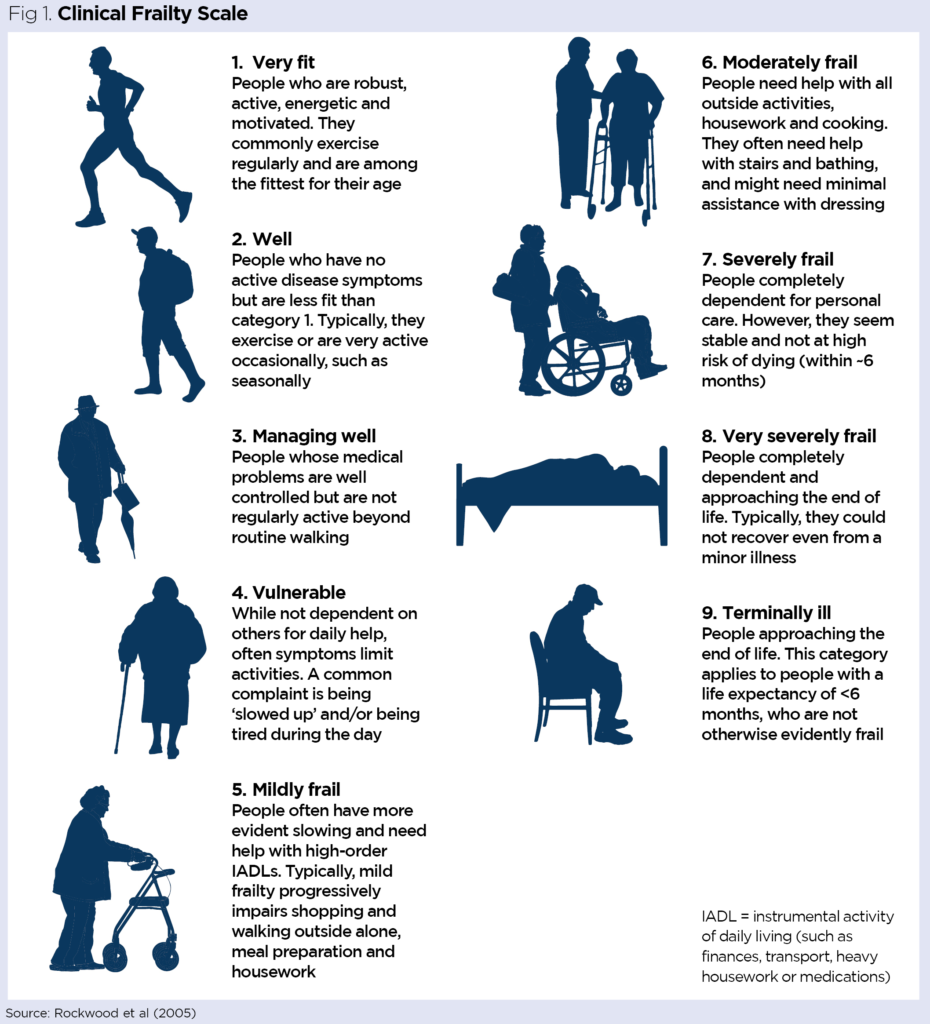
In addition to the data-driven eFI, clinicians often use the Clinical Frailty Scale during face-to-face assessments. This scale is judgement-based and relies on a practitioner’s evaluation of mobility, independence, cognition, and overall physical resilience. It offers a descriptive grading system that complements electronic scoring tools.
The key distinction lies in methodology. The eFI uses routinely recorded data for automated population screening, while the Clinical Frailty Scale depends on direct observation and conversation. The frailty index score calculator UK reflects the electronic deficit model, making it particularly helpful for understanding how digital GP systems derive frailty classifications within primary care.
Who Can Benefit from Using This Calculator?
General practitioners and practice nurses can benefit from understanding the mechanics behind frailty scoring, even when their clinical systems calculate scores automatically. Training environments, educational sessions, and care home support programmes often use external tools to explain how cumulative deficits influence risk categorisation.
Care coordinators and multidisciplinary teams may also find value in structured frailty awareness. While members of the public can explore a frailty index score calculator UK for informational purposes, it should not replace professional medical advice. Any concerns regarding frailty or declining health should always prompt discussion with a qualified healthcare provider.
Benefits of Early Frailty Identification
Early identification of frailty enables proactive and preventative care. By recognising vulnerability before crisis events occur, healthcare professionals can implement measures such as strength-building exercises, medication reviews, and dietary interventions. These steps may significantly reduce the likelihood of emergency admissions or sudden deterioration.
Digital tools improve transparency and engagement. The frailty index score calculator UK demonstrates how measurable health deficits combine to influence overall resilience. This understanding empowers patients and carers to participate more actively in care discussions, fostering shared decision-making and more personalised healthcare planning.
Limitations and Responsible Use
Although frailty scoring is evidence-based, it is not a standalone diagnostic tool. The quality of the score depends on accurate and up-to-date clinical coding within medical records. Missing information can affect results, potentially underestimating or exaggerating vulnerability.
Moreover, frailty exists on a spectrum and interacts with social, psychological, and environmental factors. A frailty index score calculator UK should therefore be viewed as a supportive guide rather than a definitive judgement. Comprehensive clinical assessment remains essential for safe and appropriate care planning.
The Role of Frailty Assessment in Care Planning
Frailty scores frequently trigger a Comprehensive Geriatric Assessment, a holistic evaluation covering medical, functional, mental health, and social needs. This multidisciplinary review aims to stabilise health, maintain independence, and reduce risk factors that contribute to decline.
By highlighting levels of vulnerability, the frailty index score calculator UK supports anticipatory care planning within community and primary care settings. Discussions around advanced care preferences, mobility support, and community resources can begin earlier, ensuring individuals receive coordinated and compassionate care tailored to their specific circumstances.
Conclusion
Frailty is a measurable and manageable condition that plays a central role in modern UK healthcare. Through structured assessment tools based on the cumulative deficit model, clinicians can identify individuals at risk and intervene before minor stressors escalate into major health crises. Consistent scoring improves fairness, transparency, and preventative planning across primary care.
The frailty index score calculator UK offers an accessible way to understand how frailty scores are derived and interpreted. While it enhances awareness and education, it must always be used responsibly and alongside professional medical guidance. By combining digital insight with clinical expertise, the healthcare system can better support ageing populations and promote healthier, more resilient communities.