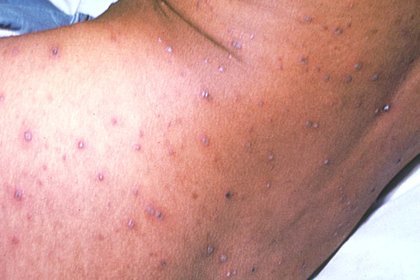
Chicken pox on black skin is a highly contagious viral infection caused by the varicella-zoster virus, leading to an itchy rash, fever, and general discomfort. Although it affects all skin tones, its appearance on darker skin can be more difficult to recognise in the early stages. This often results in delayed identification and confusion with other common skin conditions.


Chicken pox on black skin requires careful observation because the early visual signs are not always bright red like in lighter skin tones. Instead, the rash may appear as dark brown, purple, or grey patches that blend with the skin. Understanding these differences is essential for early detection, proper care, and preventing unnecessary complications.
What Chicken Pox Looks Like on Black Skin
Chicken pox on black skin does not usually present with the typical red spots commonly seen in lighter skin tones. Instead, the rash may appear as darker raised bumps that are less visually distinct. This can make it harder for individuals or parents to identify the infection in its earliest stages without medical knowledge.
In many cases, chicken pox on black skin progresses through subtle colour changes, with lesions becoming more visible as fluid-filled blisters develop. The contrast between the rash and surrounding skin remains low, which is why awareness and education are essential for accurate recognition and timely treatment.
Early Symptoms and Beginning Stage
Chicken pox on black skin often begins with general flu-like symptoms such as fatigue, fever, headache, and loss of appetite. These early signs usually appear one to two days before any visible rash, making it easy to overlook the infection at first. Many people may assume it is a mild viral illness.
During the beginning stage, chicken pox on black skin shows small, raised bumps that may feel itchy or slightly tender. These early lesions are often dark in appearance, which can lead to confusion with insect bites or mild allergic reactions. Recognising this stage early is important for preventing the spread of infection.
Progression Stages and Rash Development
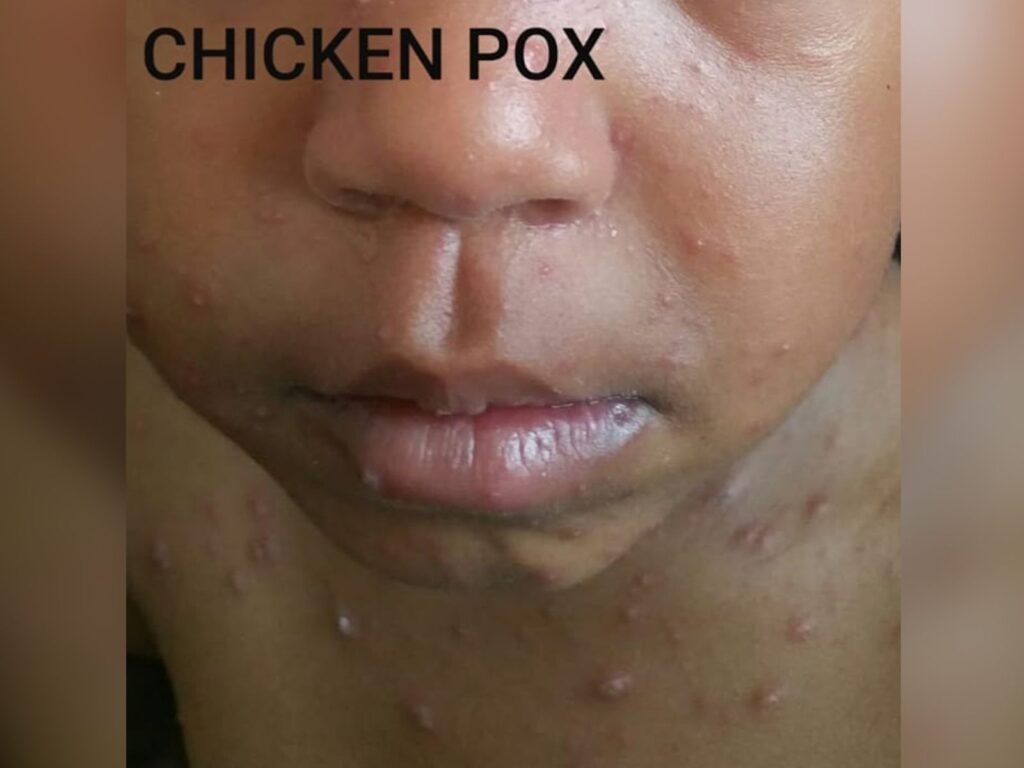
As chicken pox on black skin progresses, the small bumps gradually develop into fluid-filled blisters that spread across the body. These blisters are typically very itchy and may appear on the face, chest, arms, and legs. The discomfort can increase significantly during this stage, especially in children.
Over time, chicken pox on black skin lesions begin to dry out and form crusts or scabs. The colour may appear darker or more uneven than the surrounding skin. Without proper care, scratching can lead to bacterial infection or long-term pigmentation changes, which are more noticeable on melanin-rich skin.
Diagnosis Challenges and Confusion with Other Conditions
Chicken pox on black skin can sometimes be misdiagnosed because its appearance overlaps with other skin conditions such as measles, heat rash, or allergic reactions. The absence of bright red spots makes it harder to visually confirm the condition, especially without considering additional symptoms like fever and fatigue.
In some cases, chicken pox on black skin may be confused with measles during its early stages due to similar flu-like symptoms and skin eruptions. However, the progression pattern and blister formation help differentiate it from other illnesses. Medical evaluation is often required for accurate diagnosis and appropriate treatment.
Treatment and Home Care
Chicken pox on black skin treatment focuses mainly on relieving symptoms and supporting the body’s natural healing process. Calamine lotion, antihistamines, and oatmeal baths are commonly recommended to reduce itching and soothe irritated skin. Keeping the body cool and hydrated also helps improve comfort during recovery.
For chicken pox on black skin, it is very important to avoid scratching the blisters, as this increases the risk of infection and scarring. Loose cotton clothing, regular hand hygiene, and trimmed nails can help reduce skin damage. Paracetamol may be used to manage fever and discomfort under proper medical guidance.
Healing Process and Skin Pigmentation Changes
Chicken pox on black skin often leaves behind temporary dark spots known as post-inflammatory hyperpigmentation. These marks can take several weeks or even months to fade completely, depending on skin type and aftercare practices. In some cases, lighter patches may also appear during the healing process.
After chicken pox on black skin has healed, proper skincare can help reduce long-term visible marks. Moisturising the skin, avoiding direct sun exposure, and using dermatologist-recommended treatments can support recovery. Although scarring is possible, most pigmentation changes gradually improve with time and consistent care.
Prevention and Vaccination
Chicken pox on black skin can be effectively prevented through vaccination, which is widely recommended for children and unvaccinated adults. The vaccine helps reduce the severity of the illness and lowers the risk of complications. Good hygiene practices also play an important role in preventing the spread of infection.
Public awareness about chicken pox on black skin is essential for early detection and prevention. Educating families about symptoms and transmission helps reduce outbreaks, especially in schools and communities. Vaccination remains the most reliable method of protection and significantly reduces the likelihood of severe infection.
Conclusion
Chicken pox on black skin is a condition that requires careful attention due to its subtle appearance on darker skin tones. Early recognition of symptoms such as fever and darkened skin bumps is essential for timely treatment and preventing complications. Awareness plays a key role in improving outcomes.
Overall, chicken pox on black skin can be managed effectively with proper care, hygiene, and medical support. While temporary pigmentation changes may occur after healing, most individuals recover fully. Understanding the condition helps ensure faster diagnosis, better treatment, and reduced risk of long-term skin effects.