Assessment triangle social work is a foundational framework used across UK safeguarding services to understand a child’s lived experience in a structured and meaningful way. It allows social workers to move beyond surface-level concerns and explore deeper influences on a child’s safety, development, and wellbeing. This model is widely embedded in child protection systems and remains essential for consistent professional decision-making.


Assessment triangle social work is particularly valuable because it encourages practitioners to view children within the context of their family and environment. Instead of focusing on isolated issues, it builds a full picture of risk and resilience. This holistic approach supports better outcomes for children by ensuring that every aspect of their situation is carefully assessed and understood before decisions are made.
What is Assessment Triangle Social Work
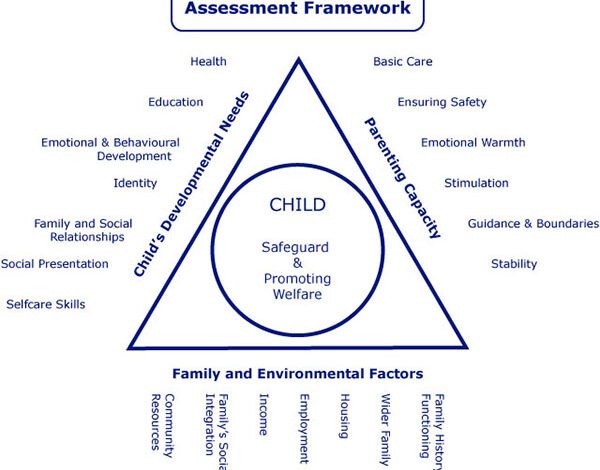
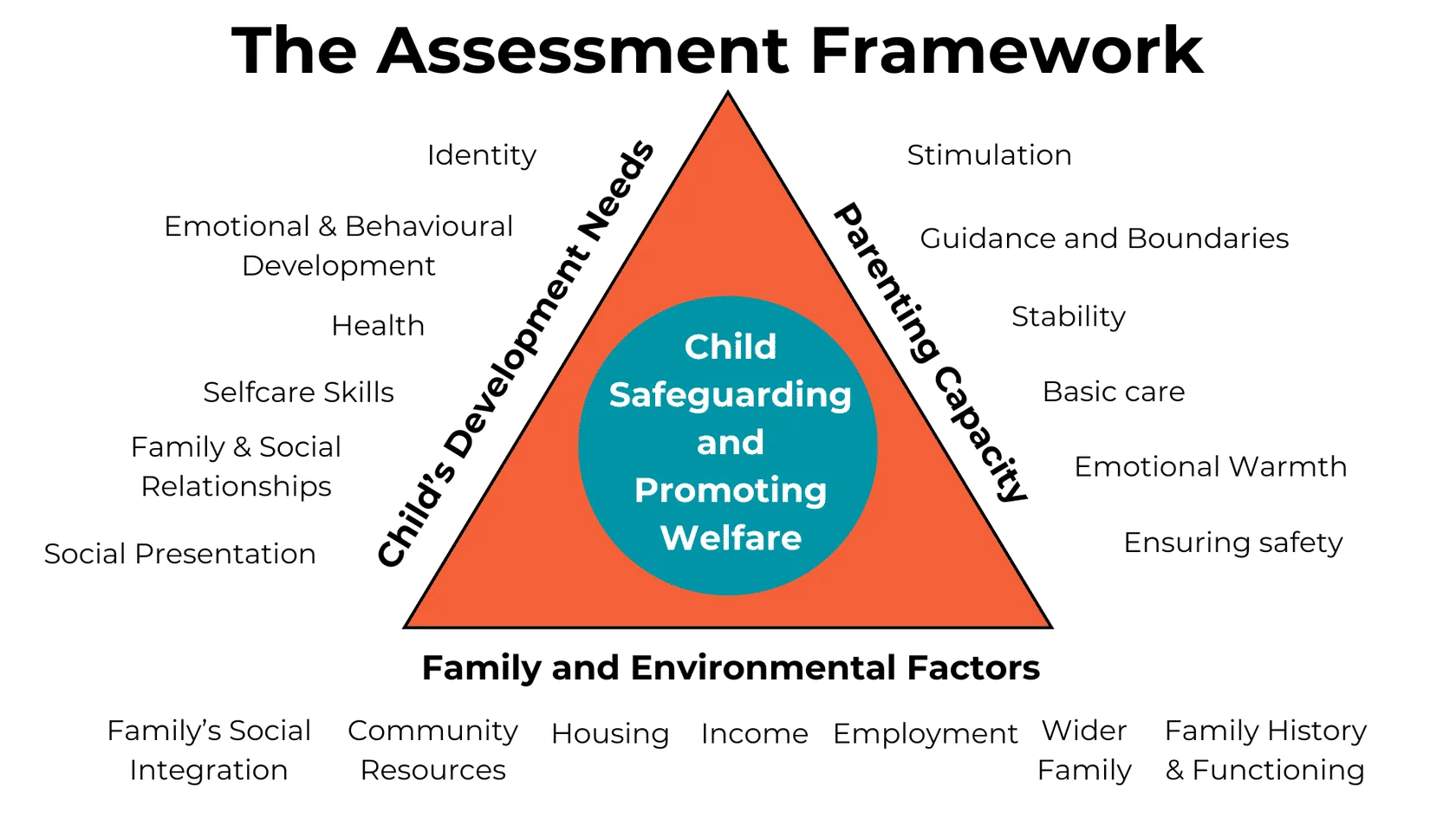
Assessment triangle social work is a structured assessment model designed to guide professionals in evaluating a child’s needs through three interconnected domains. These include the child’s developmental needs, parenting capacity, and wider family or environmental factors. Together, these elements form a complete framework for understanding risk and protective influences in a child’s life.
The strength of assessment triangle social work lies in its simplicity and depth. While it provides a clear structure, it also allows flexibility for professional judgement. Social workers can use this model to organise complex information and ensure that no critical area of a child’s life is overlooked during safeguarding assessments or intervention planning.
The Three Domains of Assessment Triangle Social Work
The first domain in assessment triangle social work focuses on the child’s developmental needs. This includes physical health, emotional wellbeing, education, identity, and social development. Understanding these areas helps social workers identify whether a child is thriving or experiencing neglect, delay, or emotional harm that requires intervention.
The second and third domains explore parenting capacity and environmental factors. Parenting capacity looks at how well caregivers meet a child’s needs, including providing safety, emotional warmth, and guidance. Environmental factors consider external influences such as housing, income, family relationships, and community support, all of which play a crucial role in shaping a child’s wellbeing.
How Assessment Triangle Social Work is Used in Practice
In everyday safeguarding work, assessment triangle social work is used to guide structured assessments and decision-making processes. Social workers gather information from multiple sources, including schools, healthcare professionals, and family members, to build a detailed understanding of the child’s circumstances. This ensures assessments are evidence-based and comprehensive.
Once information is collected, assessment triangle social work helps practitioners analyse patterns of risk and strength across all three domains. This analysis supports decisions about whether a child needs protection, early help, or ongoing support. It also ensures that interventions are tailored to the child’s specific needs rather than applying a one-size-fits-all approach.
Assessment Triangle Social Work Guidance in the UK
Assessment triangle social work is strongly supported by national safeguarding guidance in the UK, particularly the Working Together to Safeguard Children framework. This guidance outlines how assessments should be carried out consistently across all local authorities, ensuring children receive equal protection regardless of location.
The guidance behind assessment triangle social work also emphasises the importance of professional judgement. While structured tools are essential, social workers must interpret information carefully and consider each family’s unique circumstances. This combination of structure and flexibility ensures assessments remain both reliable and sensitive to individual needs.
Assessment Triangle Social Work PDF Tools and Resources
Many practitioners rely on assessment triangle social work PDF documents to support their assessment process. These resources often include templates, diagrams, and structured forms that help organise information in line with safeguarding requirements. They are widely used in training and professional practice to maintain consistency.
Assessment triangle social work PDF resources are especially useful for recording complex information clearly and efficiently. They allow social workers to document evidence from all three domains in a structured format, making it easier to analyse risk and communicate findings to other professionals involved in safeguarding decisions.
Assessment Triangle Social Work Explained in Adult Safeguarding
Although primarily designed for children’s services, assessment triangle social work can also be adapted for adult safeguarding. In adult services, the model helps professionals assess vulnerability, care needs, and environmental risks affecting individuals who may require additional support due to disability, mental health issues, or age-related challenges.
In adult safeguarding contexts, assessment triangle social work is adjusted to focus more on independence, dignity, and protection from harm. While the structure remains similar, practitioners place greater emphasis on consent, capacity, and empowering individuals to make informed decisions about their own care and wellbeing.
Strengths and Limitations of Assessment Triangle Social Work
One of the key strengths of assessment triangle social work is its ability to provide a clear and structured approach to complex safeguarding situations. It promotes consistency across assessments and encourages collaboration between professionals, which is essential for effective child protection practice in the UK.
However, assessment triangle social work also has limitations. It can sometimes oversimplify complex family dynamics if applied too rigidly. The quality of the assessment heavily depends on the skill and judgement of the practitioner. Without thoughtful analysis, there is a risk of missing important contextual factors that influence a child’s wellbeing.
Conclusion on Assessment Triangle Social Work
Assessment triangle social work remains a vital framework in UK safeguarding practice, offering a structured yet flexible approach to understanding children’s needs. It ensures that professionals consider all aspects of a child’s life, from development to family environment, before making critical safeguarding decisions.
Ultimately, assessment triangle social work supports better outcomes for children by promoting thorough, evidence-based assessments. Its continued use in both child and adapted adult services highlights its importance as a reliable tool for protecting vulnerable individuals and guiding professional decision-making.
Frequently Asked Questions
What is assessment triangle social work
Assessment triangle social work is a safeguarding framework used in the UK to assess children’s needs through three key areas: development, parenting, and environment. It helps professionals make balanced and informed decisions.
Why is assessment triangle social work important
Assessment triangle social work is important because it ensures a holistic understanding of a child’s situation, helping social workers identify risks and protective factors before deciding on intervention.
Is there an assessment triangle social work PDF available
Yes, many local authorities and safeguarding organisations provide assessment triangle social work PDF templates to support structured assessments and professional documentation.
Can assessment triangle social work be used for adults
Yes, assessment triangle social work can be adapted for adult safeguarding, particularly in cases involving vulnerability, disability, or mental health concerns.
What guidance supports assessment triangle social work in the UK
Assessment triangle social work is supported by national safeguarding guidance, especially Working Together to Safeguard Children, which outlines standards for assessment practice.