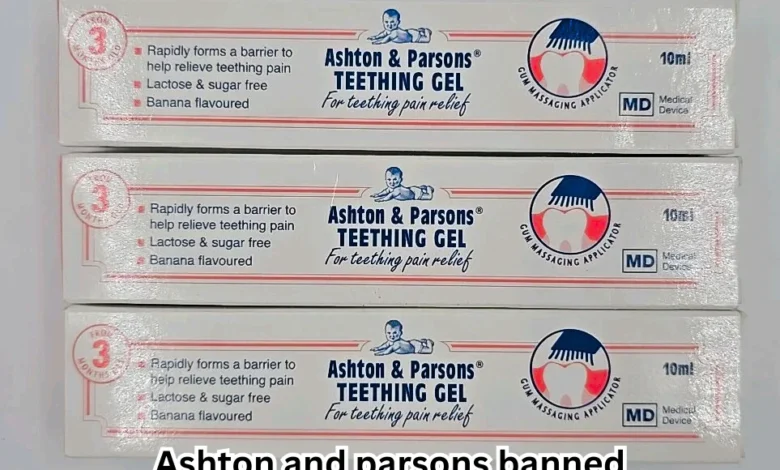
Many parents have searched online wondering if ashton and parsons banned products are still legally available in the UK. Confusion arose after international warnings regarding homeopathic teething powders, creating concern for parents seeking safe relief for their infants. Understanding the true regulatory status and following official guidance is crucial to ensure safety and avoid unnecessary panic.


Despite some alarming online headlines, licensed Ashton and Parsons teething powders remain available for purchase in the UK. The Medicines and Healthcare products Regulatory Agency (MHRA) monitors and regulates these products as Traditional Herbal Remedies (THR), ensuring their quality and safety. By following official recommendations, parents can safely use these products to soothe teething discomfort.
What Are Ashton and Parsons Teething Powders?
Ashton and Parsons teething powders have been a trusted remedy for over 150 years, offering relief from the discomfort and irritability associated with infant teething. These powders combine carefully selected herbal and homeopathic ingredients, traditionally sprinkled onto the baby’s gums to ease soreness and promote comfort during the teething process.
Unlike many conventional teething gels, Ashton and Parsons powders do not contain alcohol, sugar, or lidocaine. This makes them a popular choice among parents looking for natural remedies. Understanding the composition and purpose of the powders allows parents to make informed decisions and safely manage their child’s teething discomfort.
Regulatory Status of Ashton and Parsons in the UK
Contrary to some misinformation, ashton and parsons banned claims are incorrect in the UK. The MHRA regulates these powders under the Traditional Herbal Remedy category, ensuring that only licensed products are legally sold. Licensed products must meet strict safety and quality standards before reaching pharmacies or online retailers.
The Electronic Medicines Compendium (EMC) confirms that licensed Ashton and Parsons powders remain available and safe when used as directed. MHRA guidance encourages parents to avoid unlicensed homeopathic products, which may not have undergone rigorous safety checks. By choosing licensed powders, parents can have confidence in their child’s health and safety.
Safety Concerns and Historical Warnings
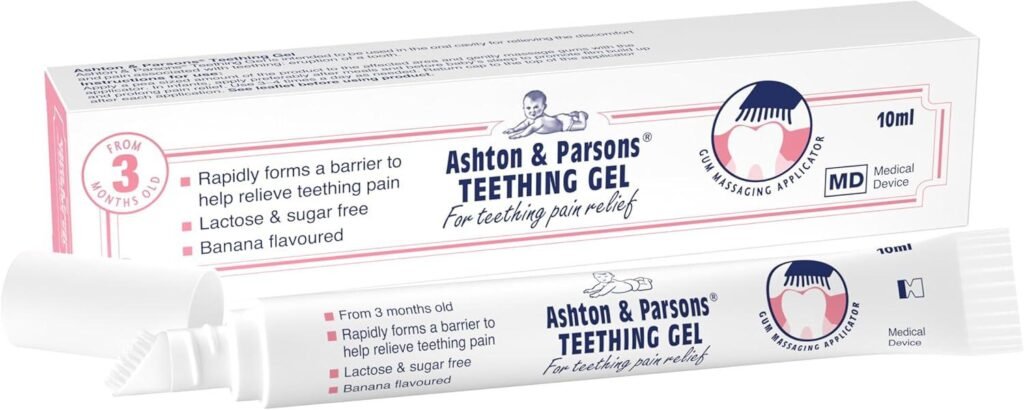
Concerns about ashton and parsons banned originated largely from warnings issued by the U.S. FDA in 2016 regarding homeopathic teething products. These warnings highlighted inconsistent ingredient levels in some unlicensed products. While the FDA warning caused panic among parents internationally, the guidance does not apply to licensed UK powders.
Safety is still a priority. Overdose of Ashton and Parsons powders can result in mild side effects, such as diarrhoea due to lactose content. Parents are advised to follow dosing instructions carefully, store the product safely, and consult a paediatrician if any adverse reactions occur. With these precautions, the powders remain a safe option for teething relief.
Ashton and Parsons Compared to Other Teething Remedies
Parents often wonder how Ashton and Parsons compare to other teething solutions. Many teething gels contain sugar, alcohol, or anaesthetic compounds, which can pose risks for infants. In contrast, licensed Ashton and Parsons powders offer a natural alternative without these potentially harmful ingredients, making them a preferred choice for safety-conscious parents.
The herbal and homeopathic composition provides gentle relief, reducing gum discomfort and supporting infants through the teething phase. By comparing ingredient safety, parental reviews, and clinical guidance, parents can confidently select the most suitable remedy. Ashton and Parsons remain a longstanding, trusted option for families seeking natural teething support.
How to Use Ashton and Parsons Safely
Using Ashton and Parsons powders safely involves following instructions closely. Only the recommended dosage should be administered, typically sprinkled gently on the baby’s gums. Parents should monitor infants for any mild reactions, such as loose stools, and always store the product in a cool, dry place to maintain efficacy.
Licensed products are safe for infants when used correctly. Parents should avoid mixing unlicensed products or exceeding recommended doses. Following MHRA guidelines ensures that infants receive effective relief while minimising any risk. With proper usage, Ashton and Parsons powders provide a trusted, gentle solution to teething discomfort.
Common Myths About Ashton and Parsons
A widespread myth is that ashton and parsons banned products are unsafe or illegal in the UK. Many of these misconceptions stem from outdated US FDA warnings or online misinformation. Licensed powders, however, have undergone rigorous regulatory review and remain a safe option for infants when used correctly.
Another myth is that natural teething powders are ineffective. Evidence from long-term use and parental reports confirms that the herbal composition can reduce discomfort, soothe irritated gums, and improve infant wellbeing. Dispelling myths helps parents make informed, confident decisions about their child’s teething care.
Conclusion
In conclusion, ashton and parsons banned products are not banned in the UK. Licensed teething powders continue to be legally available and regulated for safety by the MHRA. By following official guidance and dosage instructions, parents can safely use these powders to relieve teething discomfort in infants, making them a reliable, trusted solution.
Parents should remain vigilant about unlicensed products, monitor for mild side effects, and consult a healthcare professional if unsure. With accurate knowledge and safe usage, Ashton and Parsons powders offer effective, gentle relief for babies during the teething phase.